


Formez-vous entre passionnés de la cybersécurité, quel que soit votre niveau dès la 1ère année puis spécialisez-vous en MSc.

Apprenez en pratiquant avec notre pédagogie "active learning", 15 projets par an encadrés par des professionnels de la cyber.

Partagez avec les "Guardians" durant les projets de l'école et boostez vos projets personnels via vos rencontres sur le campus.
Notre vocation
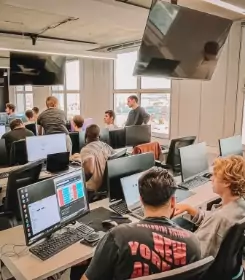
Guardia Cybersecurity School est une école d’enseignement supérieur privée. Unique, elle est pensée par des experts de l’éducation, de la cybersécurité et par les entreprises du secteur. Conscients des enjeux majeurs de souveraineté nationale et européenne, nous avons pour mission de transformer la passion des jeunes pour les nouvelles technologies en compétences.
Notre objectif
01010011 01101001 00100000 01110100 01110101 00100000 01100101 01110011 00100000 01101001 01100011 01101001 00100000 01100011 00100111 01100101 01110011 01110100 00100000 01110001 01110101 01100101 00100000 01110100 01110101 00100000 01100011 01101000 01100101 01110010 01100011 01101000 01100101 01110011 00100000 01110001 01110101 01100101 01101100 01110001 01110101 01100101 00100000 01100011 01101000 01101111 01110011 01100101 00101110 00100000 01010110 01100001 00100000 01110110 01101111 01101001 01110010 00100000 01100100 01100001 01101110 01110011 00100000 01101100 01100101 00100000 01100011 01101111 01100100 01100101 00100000 01110011 01101111 01110101 01110010 01100011 01100101 00101110
Become a guardian
2 formations de post Bac à Bac+5, 100% dédiées à la cybersécurité.
Nos programmes de formation sont pensés avec les entreprises du secteur de la cybersécurité et du digital pour maximiser l'employabilité de nos étudiants. Le Bachelor a été construit pour transmettre de solides bases de développement informatique tout en parcourant progressivement les notions clés de la cybersécurité. Le MSc est à 100% dédié à la cyber et spécialise dans un métier de la cybersécurité. Nos diplômes sont reconnus par les entreprises et par l'Etat, ils délivrent en fin de cursus un niveau Bac+3 ou Bac+5.

Bachelor (bac+3)
Développeur informatique option cybersécurité

Master of Science (bac+5)
Expert
cybersécurité
01010101 01101110 01100101 00100000 01100110 01100001 01101001 01101100 01101100 01100101 00100000 01110011 01100101 00100000 01100011 01100001 01100011 01101000 01100101 00100000 01110011 01110101 01110010 00100000 01101100 01100101 00100000 01110011 01101001 01110100 01100101 00101110
Une école pour tous
Vous êtes
Terminales, étudiants ou professionnels, formez-vous aux métiers et aux compétences de la cybersécurité.


Étudiant
Votre Bac+3 obtenu, spécialisez-vous dans la cybersécurité avec notre MSc (Bac+5) en alternance.
En savoir +
Parents
Découvrez les opportunités offertes à vos enfants par le secteur passionnant de la cybersécurité.
En savoir +

ILS FONT GUARDIA
CYBERSECURITY SCHOOL
Animés par la passion de la cybersécurité et par la transmission du savoir, ces professionnels reconnus de l'éducation et des nouvelles technologies contribuent à l'épanouissement de nos étudiants.

Parrain
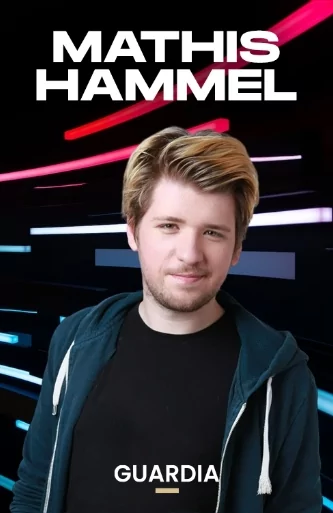
Mathis
Hammel
Mathis est un prodige de la cybersécurité. Plus jeune Deputy CTO cybersécurité d'ESN en France (Sogeti), il a rejoint récemment la startup Codingame. Mathis est aussi l'auteur de plusieurs travaux de recherches et de vulgarisation sur la cybersécurité. Sa jeunesse et son talent caractérisent la réussite française.

Directeur
Kevin
Chedozeau
Kevin Chedozeau a dirigé les programmes d'une grande école d'ingénieur pendant 5 ans. Il est également enseignant depuis plusieurs années. Kevin Chedozeau fait le lien entre les besoins en recrutement des entreprises de la cybersécurité et les choix pédagogiques de Guardia.

Directeur pédagogique
Nicolas
Sabben
Nicolas Sabben est un expert reconnu de la cybersécurité. Il a fondé le CESED (Centre d'études de la sécurité et de la défense) en 2018, et est membre actif de la Fédération Française de la Cybersécurité ainsi que du CyAN. Nicolas Sabben dirige les choix pédagogique de Guardia CS en rapport avec les besoins en compétences des entreprises de la cybersécurité.

Directrice Générale
Valérie
Dmitrovic
Valérie Dmitrovic est une experte de l'enseignement supérieur en France. Après plus de 20 ans à la direction d'un groupe d'écoles, elle co-fonde Quest Education Group dont elle devient directrice générale. A la pointe de l'innovation pédagogique, Valérie Dmitrovic est la garante de la réussite de nos étudiants.

Sylvain
Cortes
Mentor
Security Strategist -
Tenable

Véronique
Loquet
Mentor
Owner - AL'X
Communication

Denis
Ferrand-Ajchenbaum
Mentor
VP Global Vendor’s Alliances
& Business Development -
Exclusive Networks

Simon
Berna
Mentor
Managing Director
& Co-founder - Squadra

Justine
Gretten
Mentor
Responsable communication -
Mailinblack

Arnaud
Jumelet
Mentor
National Security Officer -
Microsoft France

L’ensemble de la pédagogie de Guardia est construite autour de la réalisation de productions concrètes.
Quelques exemples de projets réalisés selon la pédagogie "Active Learning" de Guardia. Chaque projet est encadré par un intervenant professionnel. Tout au long de la semaine les étudiants travaillent en équipe, coachés par l'intervenant. A la fin du projet, chaque groupe présente son travail lors d'une soutenance avec un jury.
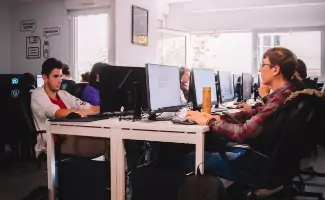
Guardian’s bug bounty
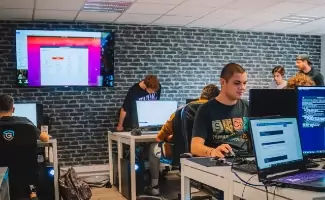
Aussi appelé "chasse aux bugs", ce projet permet aux Guardians de se familiariser avec la détection de bugs d'un site ou d'une application puis dans un deuxième temps de corriger le maximum de bugs ayant été identifiés.
Pentesting Challenge
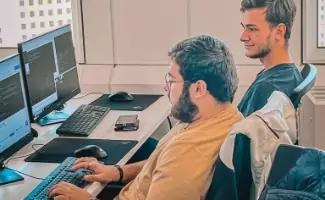
Le pentesting challenge (concours de test d'intrusion), initie les Guardians à la détections de vulnérabilités d'un programme informatique. Ils doivent identifier le maximum de failles dans un temps record.
Capture the flag
"Capturez le drapeau" au programme de ce projet :
3 semaines de compétition où les équipes s'affrontent sur des infrastructures réalistes.
Attaques et défenses rythment la progression des équipes qui doivent récupérer le maximum d'informations et de données sur les équipes adverses.
Organisation d'un événement autour de la cybersécurité
Guardian's Hackathon
Initiation à la cyberdéfense
Blue team vs. Red team
Gestion de crise liée à la cybersécurité


EMPLOYABILITÉ
500 000 emplois de cybersécurité à pourvoir, Guardia booste le recrutement des entreprises et l’employabilité de ses étudiants.
500 000 offres de cybersécurité sont à pourvoir en Europe. La croissance des entreprises de cybersécurité est ralentie par le manque de talents et de formations. Guardia a mis en place une stratégie d'employabilité pour accélérer la formation de ses étudiants et ainsi faire de l'Europe une place forte, souveraine, de la cybersécurité. Elle repose sur trois piliers : 1. Mentors pour incarner la réussite professionnelle. 2. Entreprises partenaires pour faciliter les échanges avec les étudiants. 3. Stages et alternance tout au long du cursus pour multiplier les expériences en entreprise.
Elle repose sur trois piliers :
Mentors pour incarner la réussite professionnelle.
Entreprises partenaires pour faciliter les échanges avec les étudiants.
Stages et alternance tout au long du cursus pour multiplier les expériences en entreprise.
Laurent Daudré-Vignier
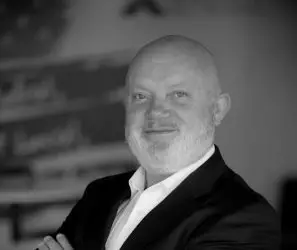
Laurent a intégré Exclusive Networks en 2007 en tant que Directeur Général et fondateur de la filiale Espagne/Portugal. Huit ans plus tard, il se voit confier la Direction de la région South EMEA suite aux dernières acquisitions faites par le Groupe.
Jorge Vilanova
Avec plus de 16 ans d’expérience sur le secteur de l'Internet, Jorge maîtrise les tenants et les aboutissants des fondements techniques de la cybersécurité. Au delà de la technologies, sa vision 360° du domaine fait de lui un expert reconnu.

Simon Berna
Passionné par le secteur depuis de nombreuses années, Simon a créé Squadra dans le but de répondre à une demande croissante des entreprises dans la scalabilité des infrastructures et des applications hébergées sur le cloud public Microsoft Azure, tout en optimisant le "run", élément essentiel à leur transformation digitale.
Sylvain Cortes
# Security Strategist, Security Evangelist, Microsoft MVP, IAM & CyberSecurity Market Expert, Business hacker, IT & Cyber et Security teacher ; Sylvain est un expert du secteur de la cybersécurité ses multiples compétences sont un réel atout pour nos formations.









Stages & Alternance
1ère année
STAGE DE 8 à 12 SEMAINES
12ème année
STAGE DE 8 à 12 SEMAINES
23ème année
ALTERNANCE
34ème année
ALTERNANCE
45ème année
ALTERNANCE
5Pourquoi l’alternance pour se former à la cybersécurité ?
« Nous avons fait le choix de l’alternance dès la 3ème année de bachelor et pendant les deux années de MSc. Le rythme d’alternance (3 semaines en entreprise, 1 semaine à l’école) permet à nos étudiants de suivre des projets d’envergures. En fin de cursus notre objectif est également de faciliter l’insertion professionnelle et le recrutement des entreprises de la cybersécurité. Pour accompagner nos étudiants dans la recherche de contrat en alternance nous avons noué des partenariats impactant avec les entreprises du secteur de la cyber. »
– L’équipe Relations Entreprise

extérieures et internationales

entreprises et employabilité

entreprises et employabilité
entreprises

entreprises
Exemples de STAGES & ALTERNANCE

EXCLUSIVE NETWORKS





Métiers
D’ici 2025, les institutions françaises ont pour objectif de doubler le nombre d’emplois dans la cybersécurité en passant de 37 000 emplois en 2021 à 75 000 emplois en 2025.
Les métiers de la cybersécurité sont nouveaux. Les technologies utilisées en cyber évoluent rapidement. Nous suivons de près les métiers de la cybersécurité afin d'adapter en permanence nos formations aux exigences des entreprises du secteur. C’est pourquoi nous éditons un guide des métiers de la cybersécurité, réalisé avec des journalistes et des témoignages de professionnels du secteur. Il permet aussi aux jeunes de découvrir les métiers de la cybersécurité (missions, compétences nécessaires, salaires, ...) et ainsi mieux se projeter dans le secteur.

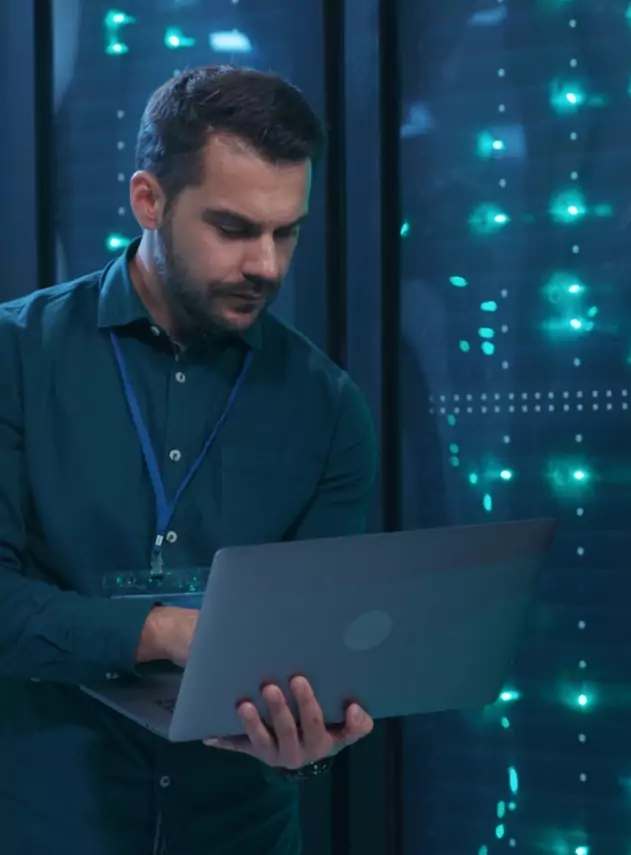
HACKER ÉTHIQUE
Le hacker éthique intervient au sein des entreprises et des organisations afin d’assurer la protection des systèmes d’information face à d’éventuelles menaces de piratage. Voir la suite

PENTESTER
Professionnel de la cybersécurité, le pentester contrôle la sécurité des réseaux informatiques en opérant des tests d’intrusion ou “penetration test” en anglais, d’où l’intitulé de son métier. Voir la suite
INGÉNIEUR EN CYBERSÉCURITÉ
L’ingénieur cybersécurité est chargé d’analyser et de traiter les menaces d’intrusion qui visent le système informatique de l’entreprise. Voir la suite
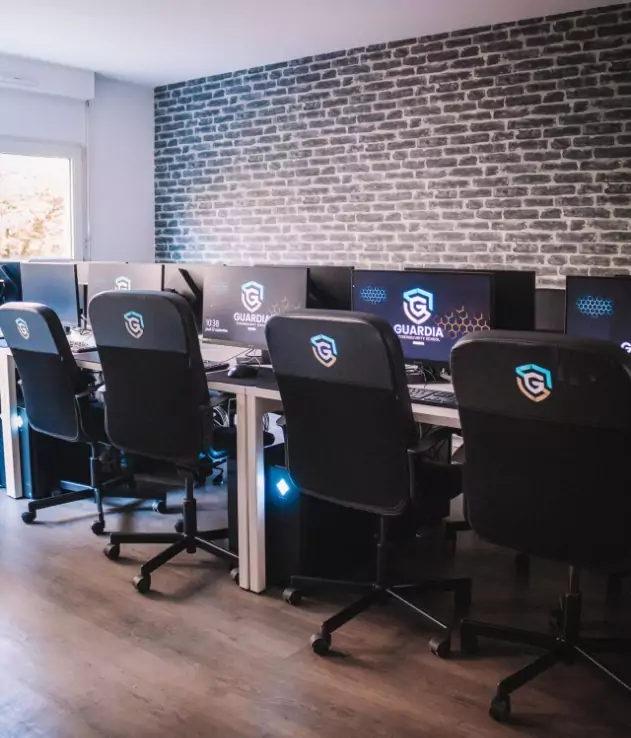
Les campus
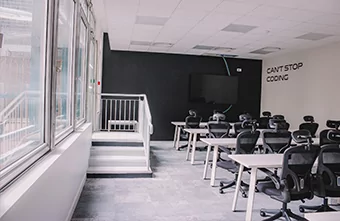
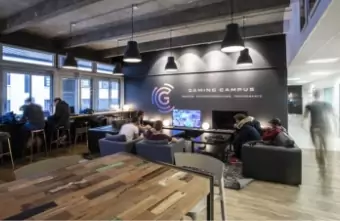
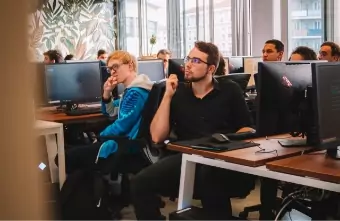
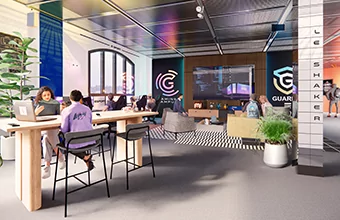
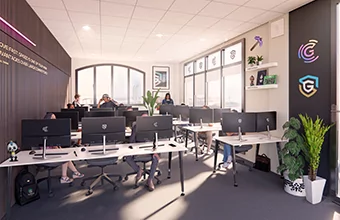
4 000 m2 dédiés aux nouvelles technologies
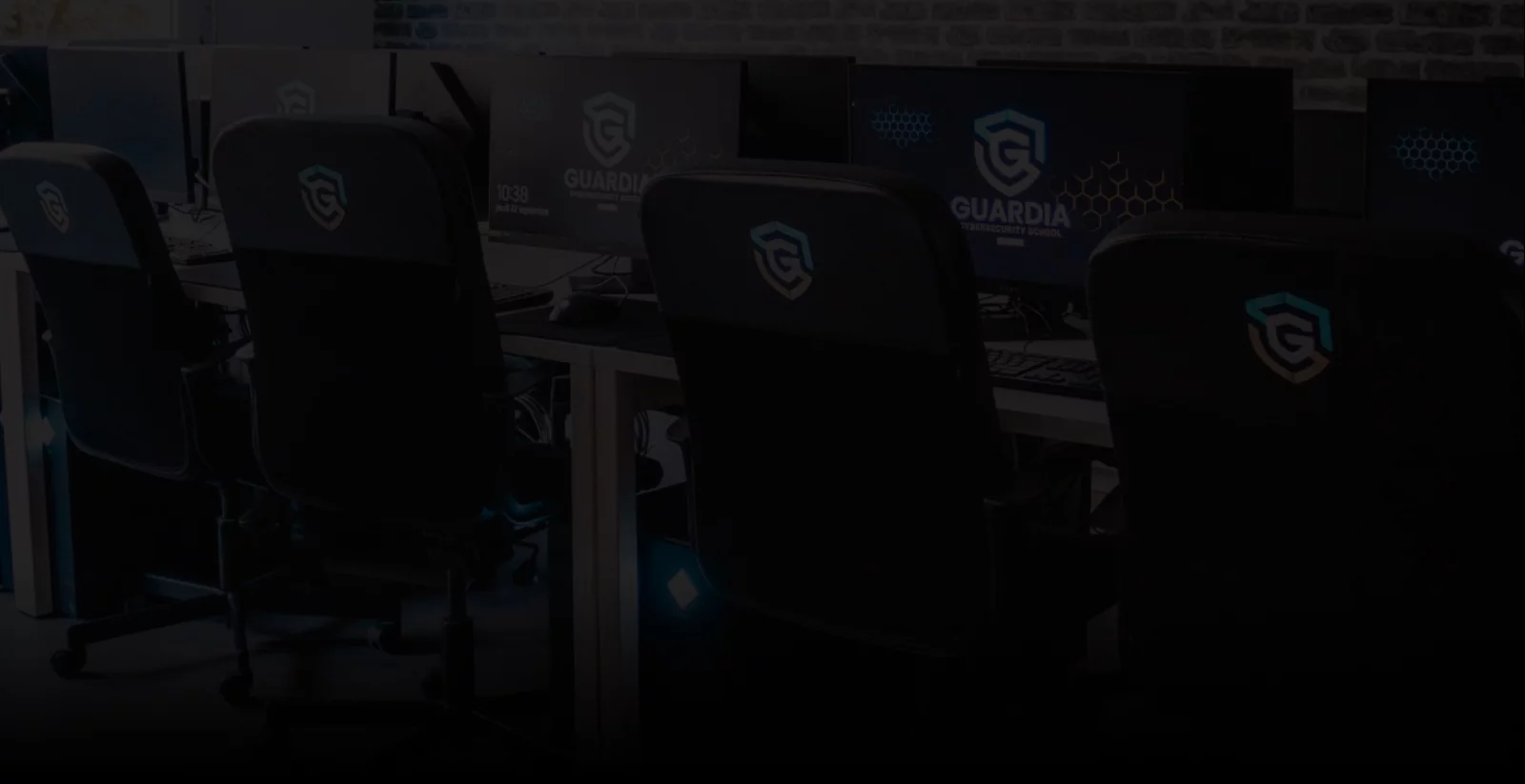
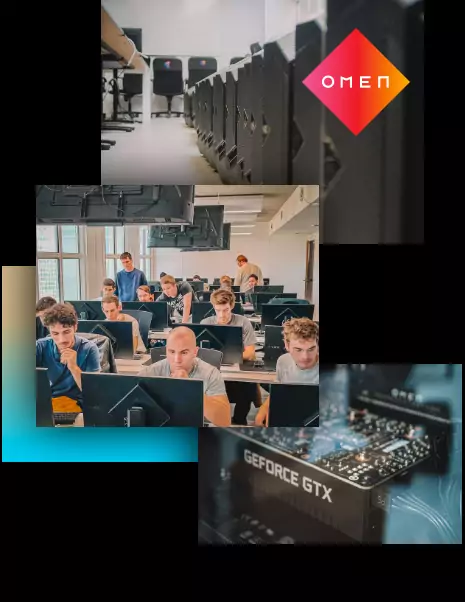
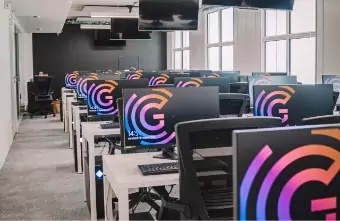
Guardia profite des synergies avec les écoles Gaming Campus. Les campus créent les conditions optimales d'apprentissage. 20+ espaces de vie, de partage et de formation ; Matériel informatique de pointe (7 salles informatiques, 2 arènes esport, salle de sport, studio TV, salles de streaming) ; Hypercentre de Paris, Lyon et Bordeaux.
Équipements à la pointe
Près de 400 postes
informatiques
haut de gamme
- Tour OMEN
- Processeur i5-12400F
- Mémoire 32Go (2x16Go DDR4)
- Stockage : 1To SSD
- Carte graphique : RTX3060Ti 8Go
- Double écrans HP V22 - 21.5“ FHD



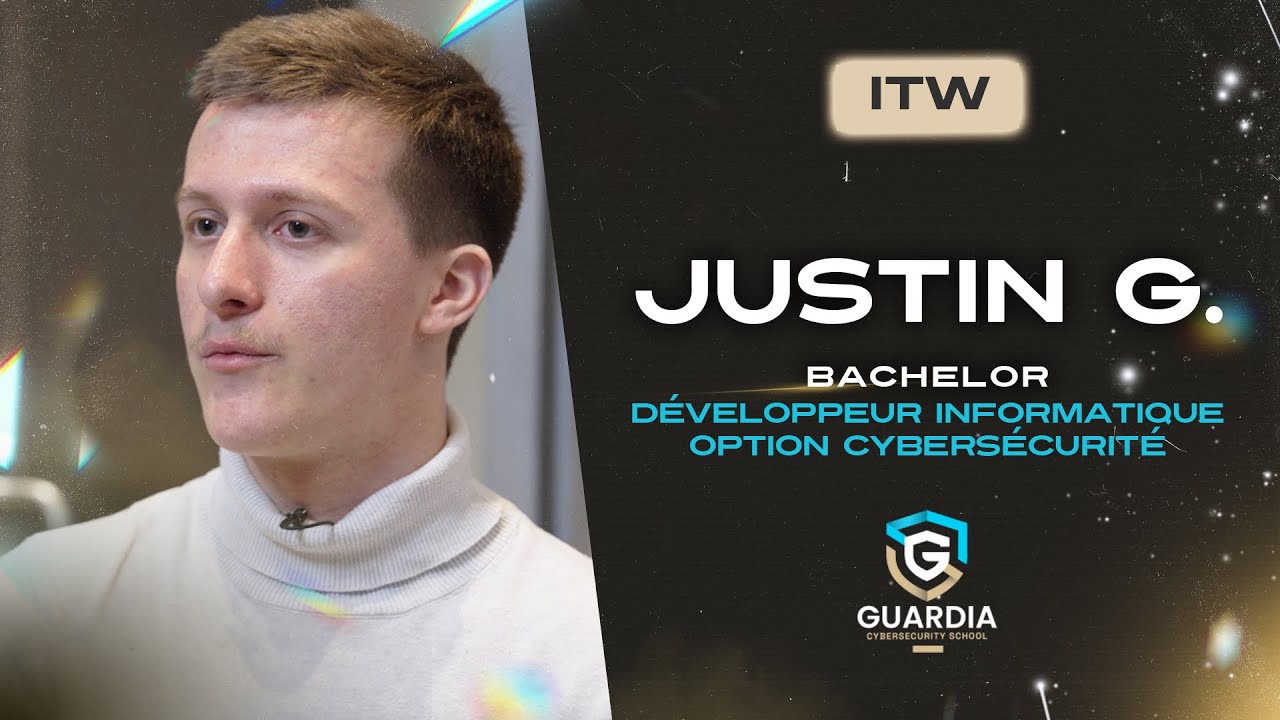
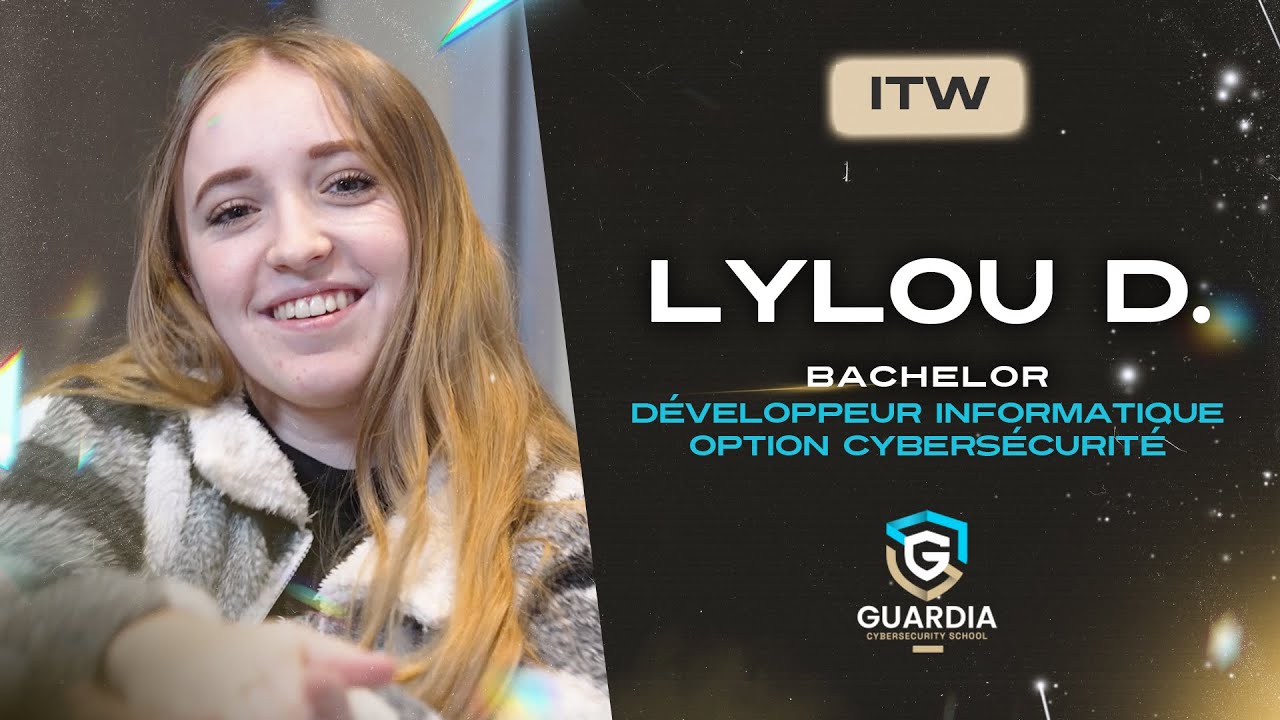
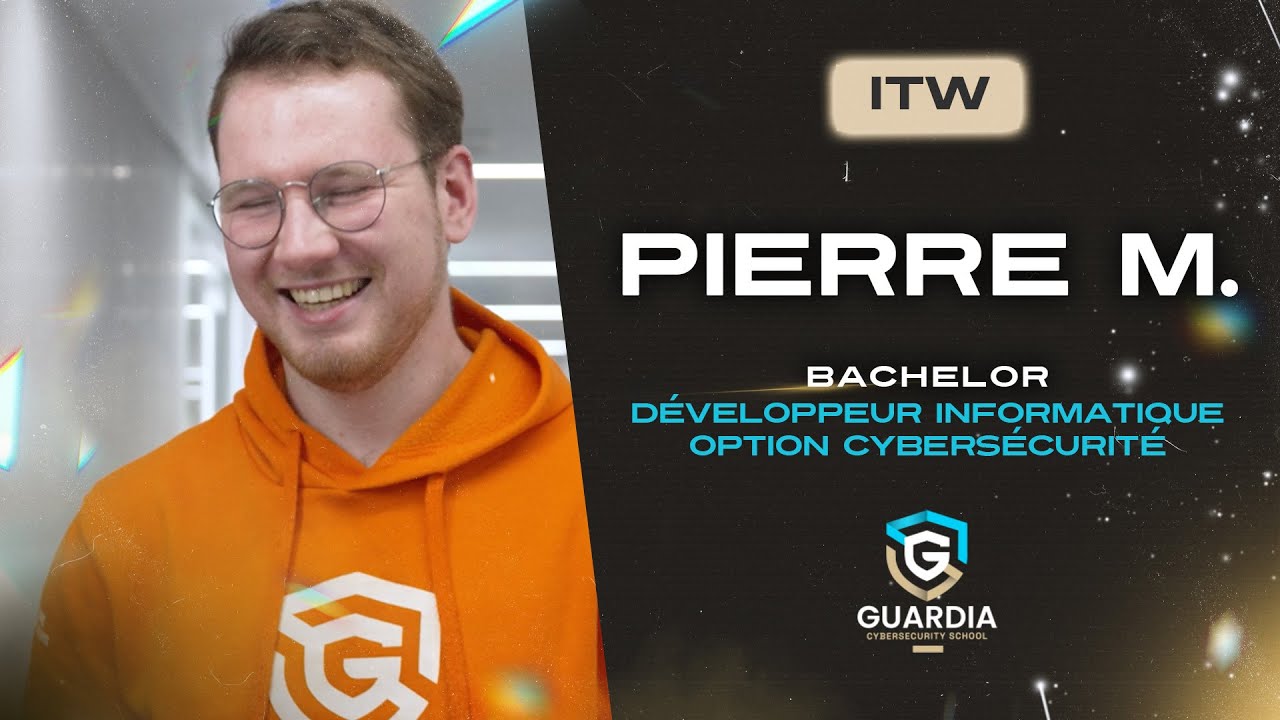
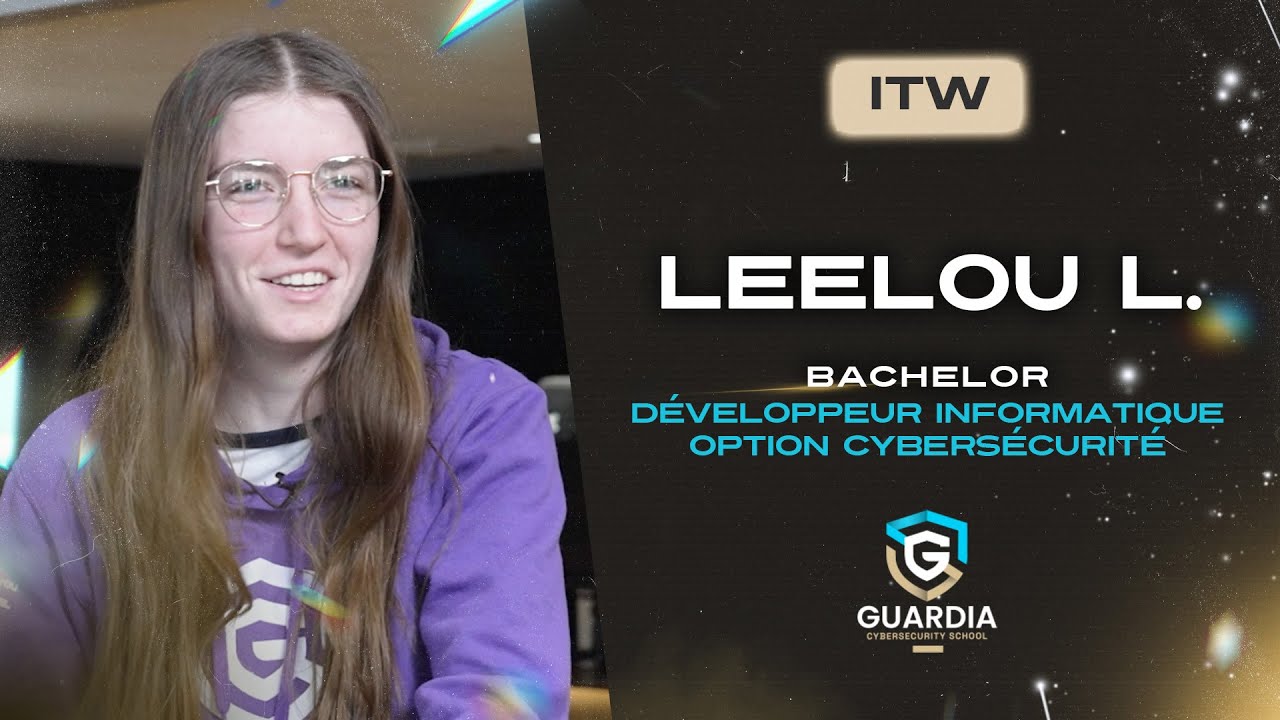
Promouvoir la cybersécurité
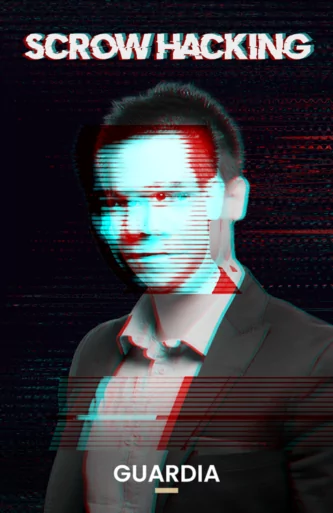
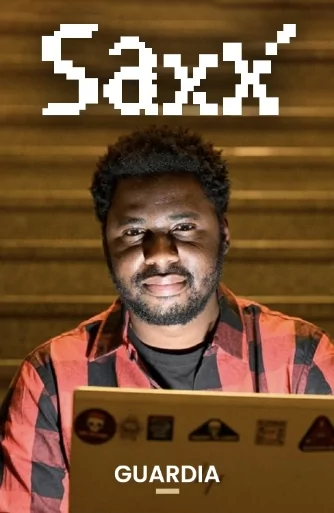
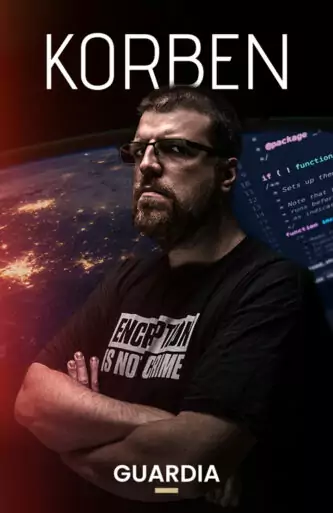
Guardia soutient les talents qui vulgarisent la cybersécurité. L’objectif est de sensibiliser le grand public sur les sujets de la cybersécurité et de créer des vocations chez les jeunes pour qu’ils se forment aux métiers de la cybersécurité.

Les actualités de Guardia
Newsroom
Suivez la vie de l'école, les grands événements, nos partenariats, les communiqués de presse etc.
27/02/2024
Le lab
Analyses et démocratisation de la cybersécurité
Le Lab est un espace contributif sur la cybersécurité où Guardia invite des professionnels et des experts du secteur à partager leurs travaux de recherche.

Cybersécurité 2024 : les 11 prédictions...
Qui sont les femmes et les hommes qui feront la... Voir la suite
Les As de la Cybersécurité 2024
Qui sont les femmes et les hommes qui feront la... Voir la suite
Combien valent vos données sur le...
Analyse de fond sur Combien valent vos données sur le... Voir la suite


Presse
« Que faire après le bac quand on est passionné de cybersécurité ? L’école Guardia ouvre ses portes en 2022 ! »
Vous tous les articles





Guardia CS
École de Cybersécurité
Ecole privée, indépendante
Guardia Cybersecurity School est une école d'enseignement supérieur, indépendante financièrement, privée et hors ParcourSup. Ainsi, nous avons la totale liberté pour mettre en place les programmes de formation les plus efficaces pour les étudiants et pour les entreprises du secteur de la cybersécurité.Pédagogie 100% par projet
La pédagogie de l'école Guardia Cybersecurity School est pensée selon les nouveaux usages éducatifs qui plaisent aux étudiants et les besoins des entreprises. C'est pourquoi 100% de notre pédagogie est par projets. Notre indépendance financière nous permet d'innover à tous les niveaux afin d'avoir la pédagogie la plus efficiente possible. Les deux programmes de formation à la cybersécurité sont pensés avec les entreprises du secteur. Tous les projets (par exemple découverte de l'osint ou du spoofing), sont encadrés par des professionnels en activités et réalisés en groupe. Ainsi les étudiants apprennent à travailler ensemble tout en étant coaché par un professionnel de la cybersécurité.
Intervenants professionnels
L'ensemble des intervenants de Guardia Cybersecurity School sont des professionnels en activité dans le secteur de la cybersécurité ou des nouvelles technologies. Ceci est possible car Guardia Cybersecurity School a été créé pour et avec les entreprises du secteur. Les professionnels sont au cœur de la pédagogie de l'école et contribuent ainsi à dispenser des programmes de formation qui respectent les besoins des entreprises. La présence d'intervenants professionnels au quotidien sur les campus est aussi un booster d'employabilité pour les étudiants de Guardia Cybersecurity School.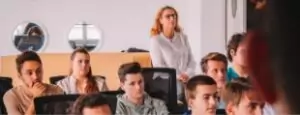
Proche des entreprises
Guardia Cybersecurity School a été cofondé avec les entreprises du secteur de la cybersécurité. Elles nous aident à adapter continuellement nos formations, de manière agile, afin de prendre en compte les évolutions des besoins et des technologies et de former aux métiers de la cybersécurité tels que le hacker éthique, le pentester, le cryptologue ou l'ingénieur cybersécurité. Tout au long de l'année les entreprises sont présentes sur les campus pour échanger avec nos étudiants, que ce soit pendant les événements de recrutement ou lors des projets. Nous formons aussi des professionnels en reconversion dans la cybersécurité.Partenaire des sites de cybersécurité et créateurs de contenus
Guardia Cybersecurity School est une nouvelle école, nous avons mis en place des actions de communication pour la faire connaitre au plus grand nombre et ainsi maximiser l'employabilité de nos étudiants. C'est pourquoi l'école est visible sur les principaux médias de la cybersécurité. Nous soutenons aussi des créateurs de contenus qui traitent de thématiques proches de la cybersecu.Formations reconnues et en alternance
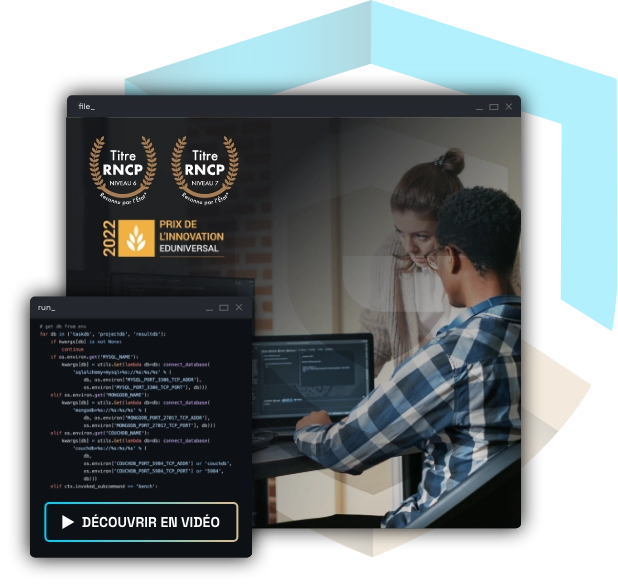
Les diplômes délivrés par Guardia Cybersecurity School sont reconnus par les entreprises et par l'Etat via les titres RNCP de niveau 6 (bac+3) et 7 (bac+5). La formation en cybersécurité est possible en alternance en 3ème, 4ème et 5ème année. Les deux premières années les étudiants peuvent réaliser des stages.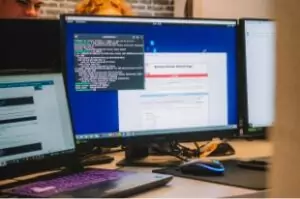 Pendant votre alternance les frais de scolarités sont pris en charge et vous êtes rémunéré, voir les salaires de la cybersécurité.
Guardia CS est présent à Paris, Lyon et Bordeaux.
Pendant votre alternance les frais de scolarités sont pris en charge et vous êtes rémunéré, voir les salaires de la cybersécurité.
Guardia CS est présent à Paris, Lyon et Bordeaux.